
Pond & Lake Sediment Management
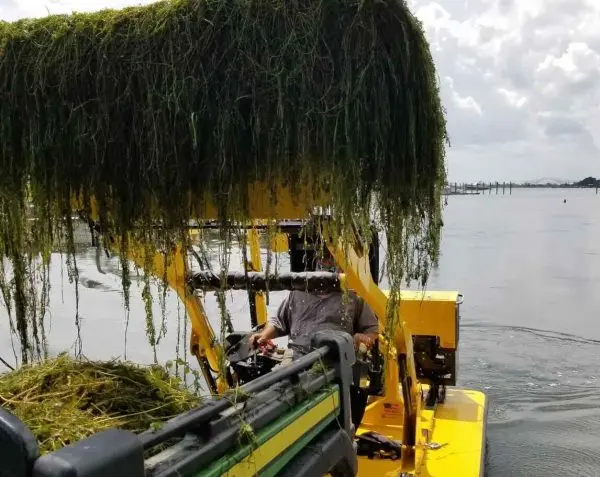
Professional Pond Dredging
Ponds change over time. Sediment settles into the bottom, shallow edges spread, and water that once moved freely starts to slow down. Legacy Waters removes that buildup through hydraulic dredging to restore depth, improve circulation, and bring the pond back to a more functional condition.
When a pond fills with silt, muck, and organic matter, it loses storage capacity and becomes more likely to support algae, aquatic weeds, and stagnant areas. We use dredging to address the material that causes those problems, rather than only managing the symptoms at the surface.
Every pond tells a different story. Some collect runoff from developed land, some receive constant leaf litter and soil, and others slowly lose depth over many years until the change becomes hard to ignore. Legacy Waters evaluates the pond bottom, sediment volume, and site conditions before planning the removal process.
Our hydraulic dredging approach moves sediment out of the pond without fully draining it in many cases. That helps reduce disturbance while restoring open water, better flow, and more consistent pond performance.
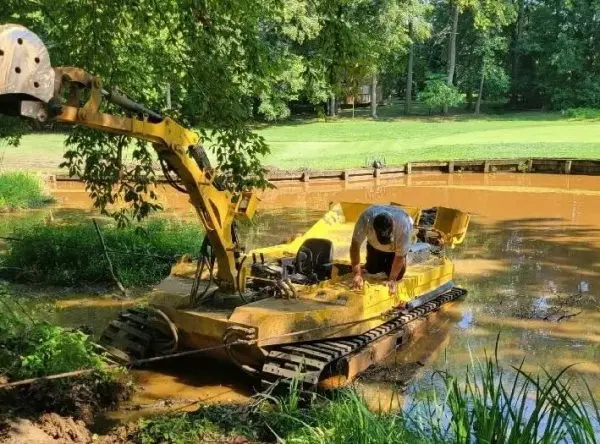
When Dredging is Needed
A pond often needs dredging when the water becomes noticeably shallower, cloudy, or harder to manage. Thick weed growth, recurring algae, odors, and visible sediment bars usually mean the bottom has accumulated more material than the pond can handle.
Ponds that collect runoff from roads, slopes, fields, or disturbed ground usually fill faster because they trap soil and debris over time. As that material builds up, it changes how the pond stores water, supports habitat, and handles storm events.
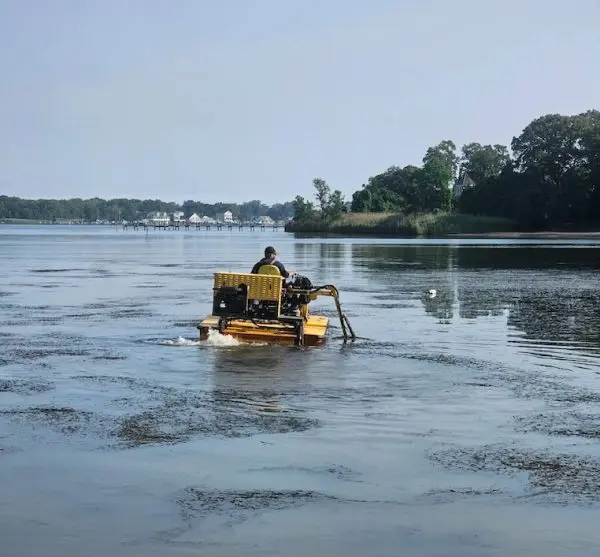
What Dredging Restores
Dredging restores lost depth and removes sediment that can fuel poor water quality. It can also improve circulation, reduce nutrient buildup, and help a pond function as intended for stormwater control or aquatic habitat.
By removing the material that has settled at the bottom, we help reset the pond’s condition and improve long-term manageability. That makes the pond easier to maintain and better able to support its intended role.
Frequently Asked Questions
Pond dredging is the removal of sediment, sludge, and organic buildup from the bottom of a pond. Legacy Waters uses hydraulic dredging to remove that material while keeping the pond in place.
A pond often needs dredging when it becomes shallower, muddier, or more difficult to manage. Common signs include algae growth, heavy weed coverage, odors, and visible sediment accumulation.
Not always. Legacy Waters often uses hydraulic dredging methods that remove sediment without fully draining the pond, depending on site conditions and project goals.
Dredging restores depth, increases water storage, improves circulation, and removes sediment that contributes to algae and aquatic weed growth. It also helps ponds perform better during heavy rain.
We assess the pond’s sediment buildup, bottom conditions, and function before planning the work. Then we remove the accumulated material with a process matched to the site and its needs.
Ready to Restore Your Waterway?
Contact Legacy Waters today for a free consultation.
Call (443) 927-4337