
Pond Cleaning Services
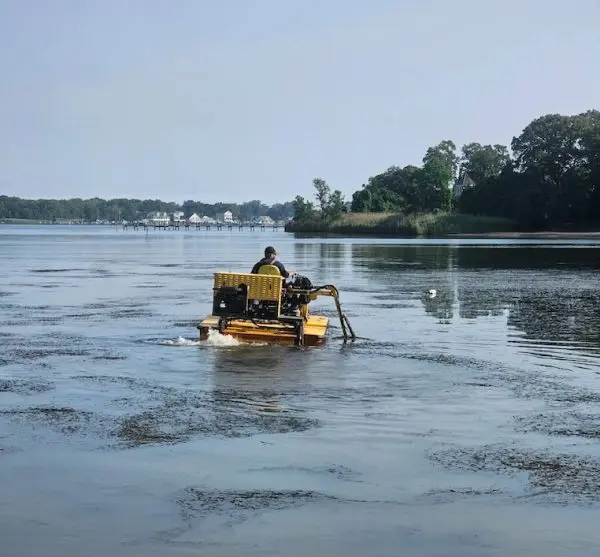
Professional Pond Cleaning Services in Maryland and the Mid-Atlantic
Ponds across Maryland and the Mid-Atlantic collect stormwater runoff, leaves, and organic debris year-round. That material settles, raises nutrient levels, and disrupts system balance. Pond cleaning services remove that buildup and restore proper function.
We focus on returning ponds to stable working condition, starting below the surface. By evaluating sediment depth, water conditions, and biological activity, we identify and address the causes of algae overgrowth, murky water, and persistent odors—not just the symptoms.
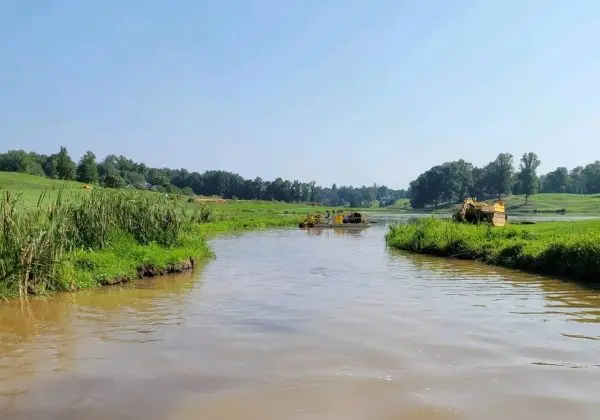
What Pond Cleaning Actually Involves
Effective pond cleaning goes beyond surface debris. In most cases, a dense sludge layer has built up over time, trapping nutrients and reducing depth and capacity.
We remove sediment through dredging, clear organic buildup along the shoreline, and control invasive or overgrown vegetation. We improve oxygen levels by adjusting or installing aeration systems to increase circulation. When needed, we apply biological treatments to break down remaining organic material. We base every step on actual pond conditions, since each site accumulates material differently.
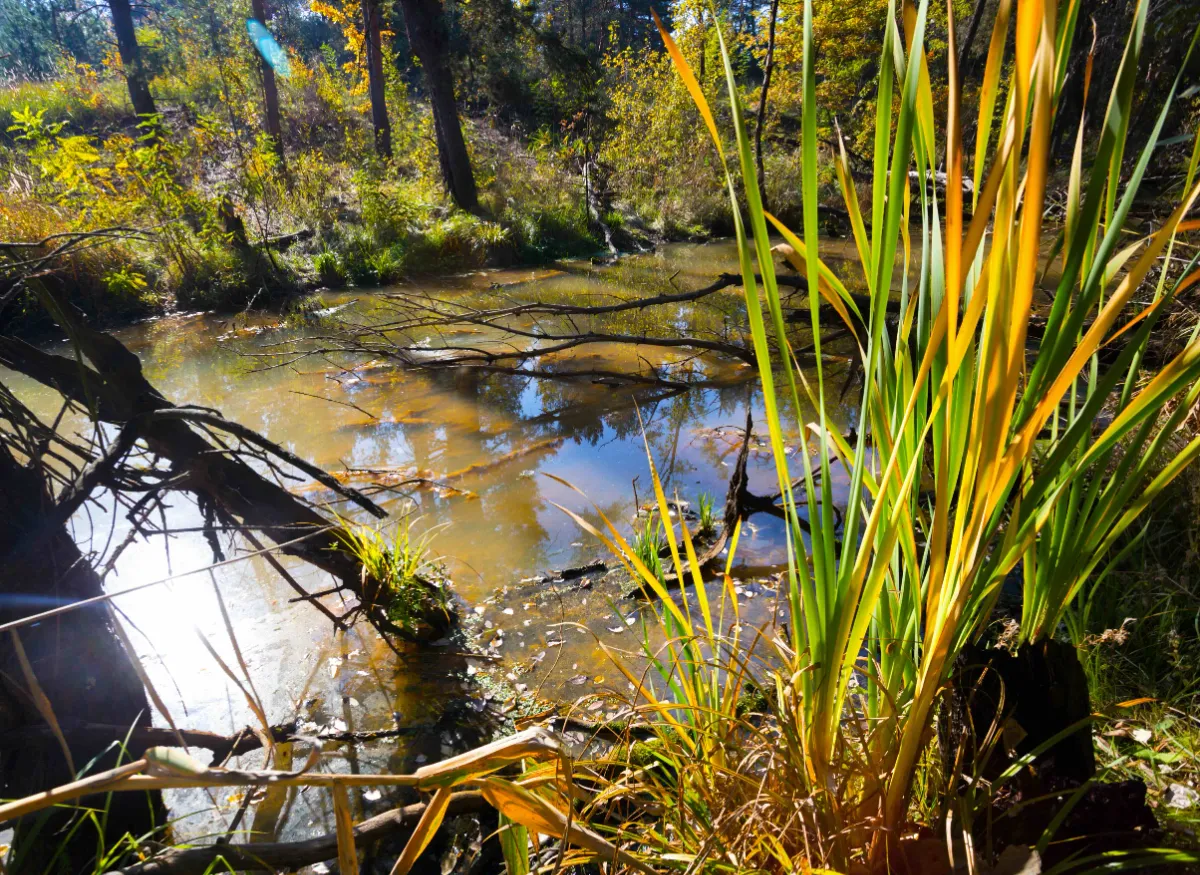
Why Pond Cleaning Matters Long-Term
Many ponds appear manageable while significant buildup continues below the surface. That accumulation reduces depth, restricts water movement, and drives recurring algae blooms.
Routine pond cleaning services remove these issues early. In stormwater systems, this maintains storage capacity and supports water flow during heavy rain. In decorative or commercial ponds, it improves clarity, reduces odors, and stabilizes the aquatic environment. By removing buildup at the right time, we prevent more invasive work and keep ponds functioning as designed.
Frequently Asked Questions
Most ponds need cleaning every 1-3 years, but that timeline depends on how quickly sediment builds up from runoff and surrounding vegetation.
Cloudy water, algae growth, strong odors, visible sludge, and a noticeable loss of depth are all clear indicators that buildup is becoming a problem.
Sludge develops from decomposing leaves, grass clippings, soil runoff, and other organic debris that settles and accumulates over time.
The process is controlled to limit disruption. Adjustments can be made to protect aquatic life while still removing the material causing the imbalance.
Yes. Removing sediment restores capacity and allows the pond to handle water flow more effectively during heavy rainfall.
Hiring Legacy Waters for pond cleaning provides improved water quality, enhanced property values, regulatory compliance with stormwater requirements, healthier ecosystems, and lower long-term maintenance costs. Our Maryland-based team delivers affordable, efficient service using specialized equipment designed to restore vitality and longevity to ponds, lakes, and waterways.
Ready to Restore Your Waterway?
Contact Legacy Waters today for a free consultation.
Call (443) 927-4337