
Invasive Aquatic Plant Removal
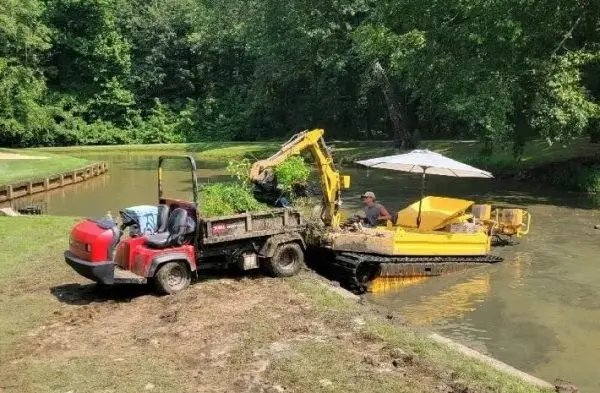
Waterway Vegetation Management Services
At Legacy Waters Environmental Service, LLC, we specialize in professional invasive aquatic plant removal to restore the health and beauty of your lakes, ponds, and waterways. Our expert team delivers eco-friendly solutions tailored to Maryland’s unique ecosystems, ensuring compliance with state regulations like those from the Maryland Department of the Environment.
Invasive Aquatic Plants Threatening Mid-Atlantic Waters
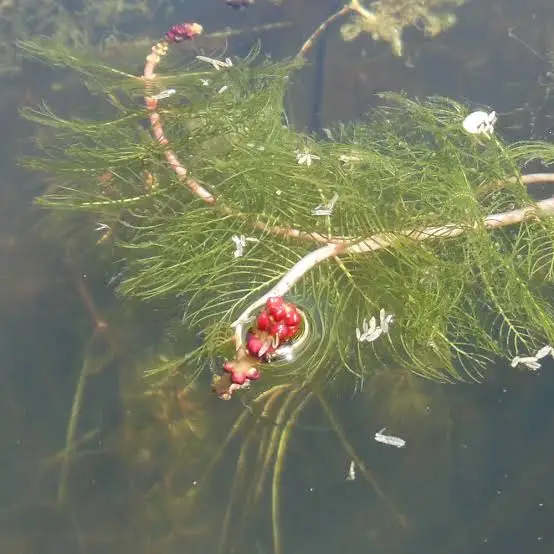
Eurasian Watermilfoil
The Eurasian Watermilfoil (Myriophyllum spicatum) is an invasive aquatic plant that quickly takes over shorelines, forming thick mats that tangle props and crowd out native plants. With thoughtful, hands-on removal, your water can return to a healthier, clearer, more enjoyable condition.
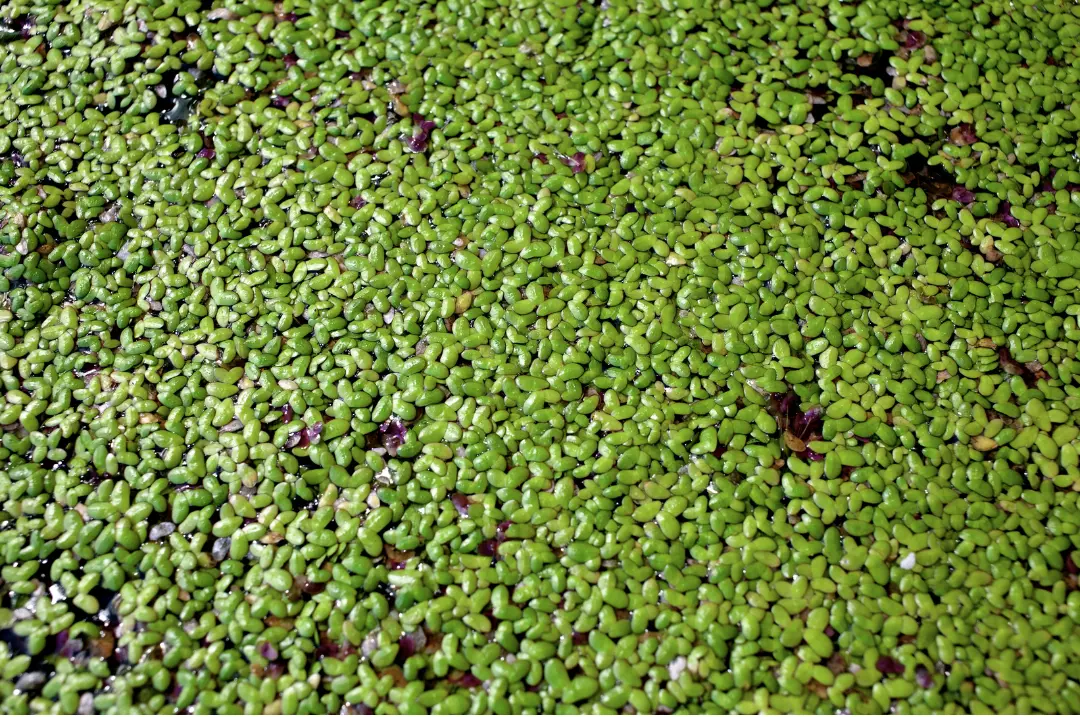
Duckweed
Duckweed (Lemna minor) may be the world's smallest flowering plant, but don't let its size fool you. A single frond can double into a full pond-smothering mat within days, blocking sunlight, depleting oxygen, and suffocating native aquatic life beneath a deceptively green surface.
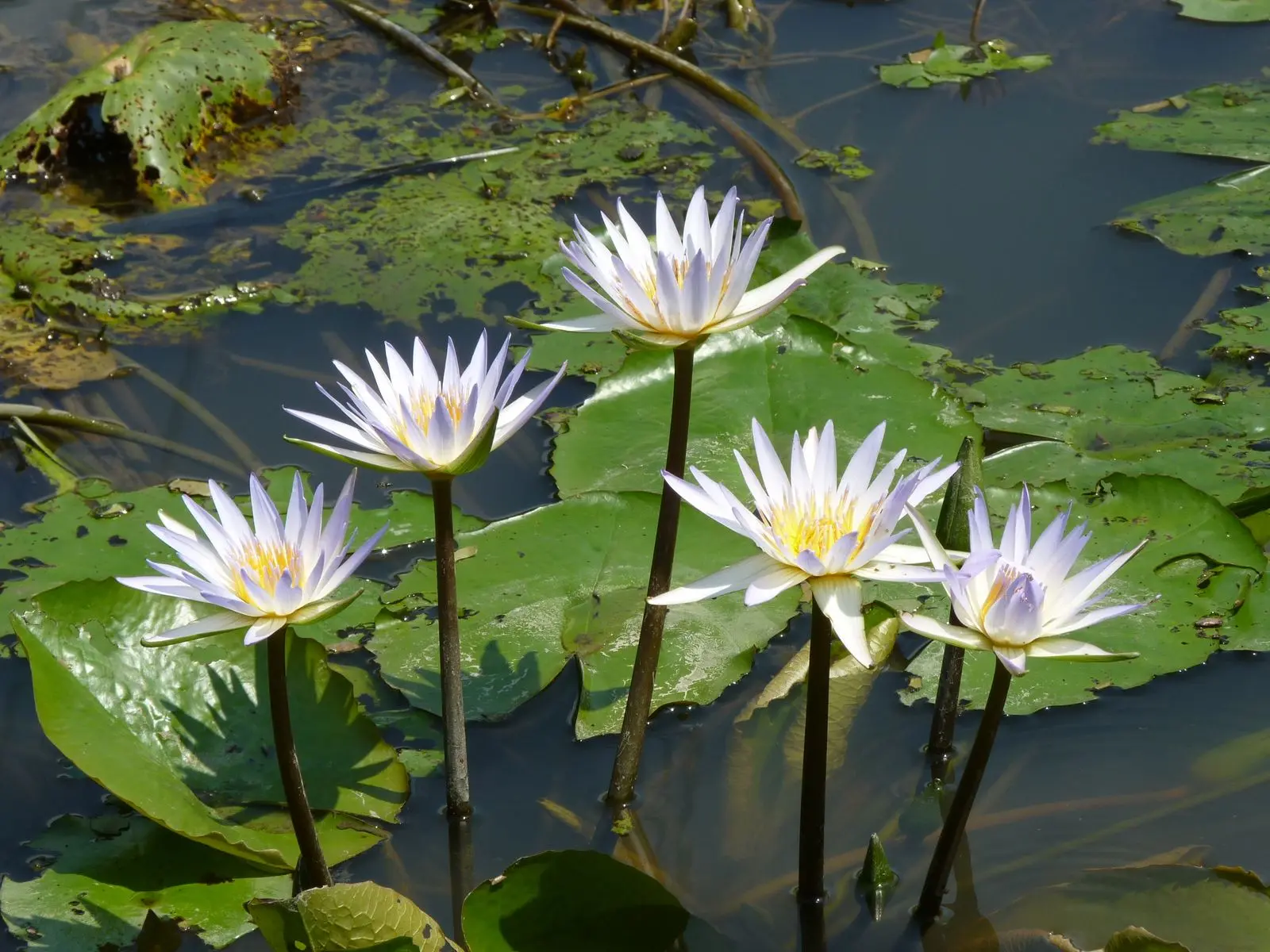
Lily Pads
Lily pads (Nymphaeaceae family) - Don't let their fairy-tale charm fool you — lily pads are relentless invaders. Their underground rhizomes silently spread across pond and lake beds, blanketing the surface, choking out native plants, starving fish of oxygen, and blocking access to the water you love.
Cattails
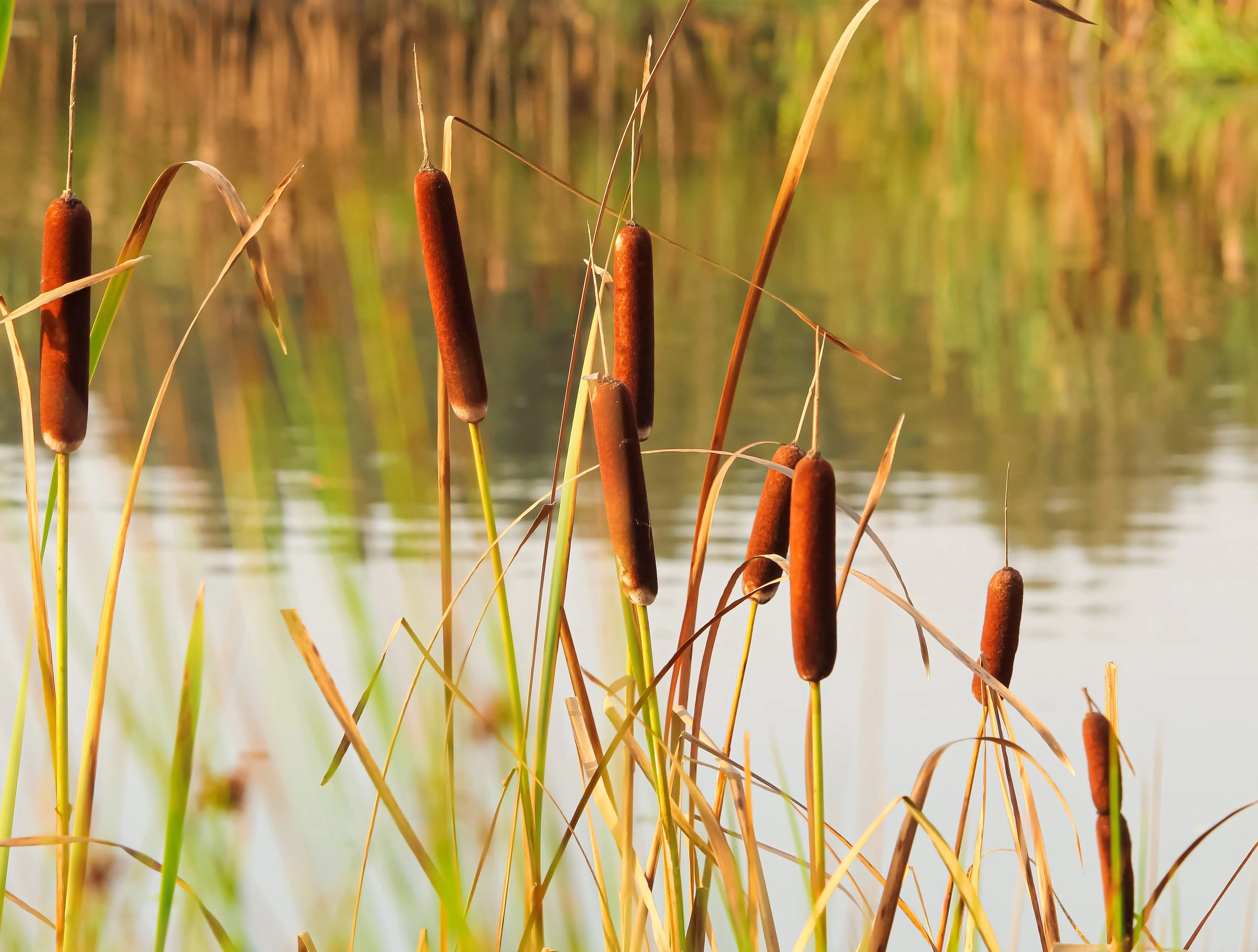
Cattails (Typha species) look harmless swaying at the water's edge, but invasive varieties spread aggressively through underground roots, forming dense monocultures that crowd out native plants, reduce fish diversity, and disrupt entire wetland ecosystems — threatening the natural balance of your shoreline.
Phragmites
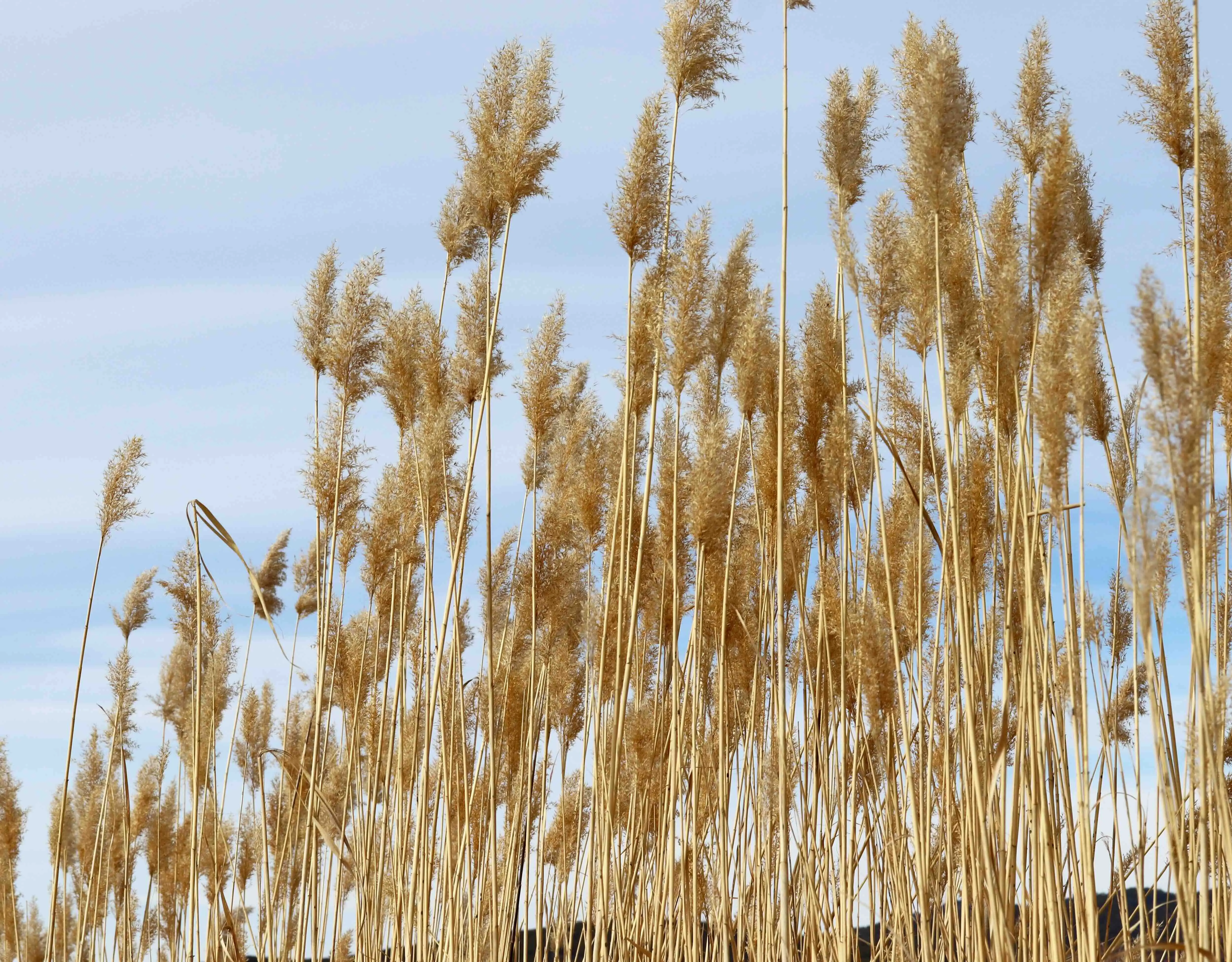
Phragmites (Phragmites australis) - Once Phragmites takes root, it doesn't stop. This towering invasive reed spreads relentlessly through rhizomes and seed, smothering native wetland species and turning biodiverse marshes into dense, impenetrable monocultures almost overnight.
Hydrilla
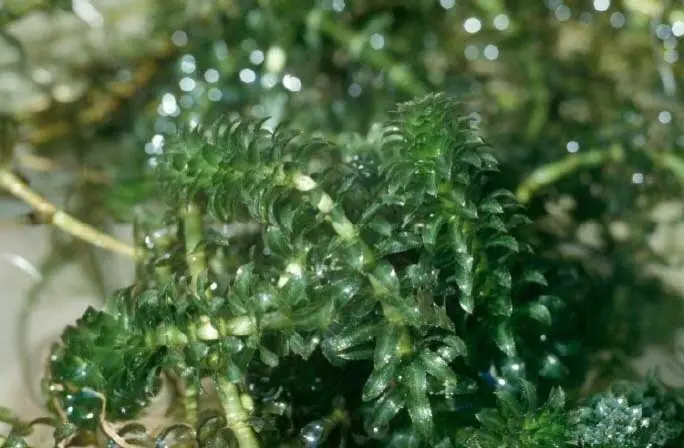
Hydrilla (Hydrilla verticillata) is often called the “kudzu of the water,” a fast-spreading invader that blankets lakes and ponds, strangles native plants, tangles propellers, and turns clear, healthy waterbodies into clogged, unusable messes without expert removal and control.
Parrot Feather
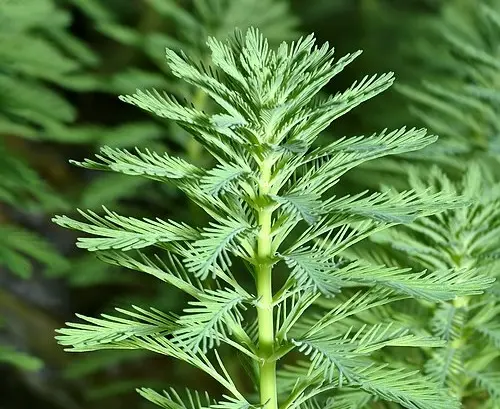
Parrot Feather (Myriophyllum aquaticum) is a feathery, bright green invader that quickly weaves into dense floating carpets, clogging ponds, shorelines, and drainageways while smothering native plants and disrupting water flow. Legacy Waters Environmental targets and removes Parrot Feather infestations, restoring open water, healthier habitat, and the natural look and function of your aquatic spaces.
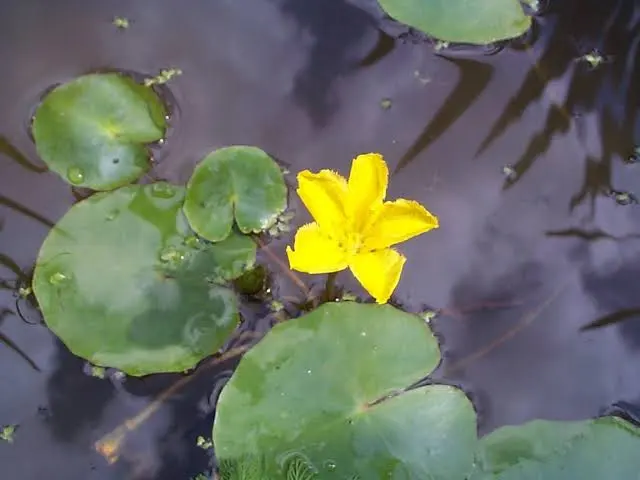
Yellow Floating Heart
The Yellow Floating Heart (Nymphoides peltata) deceives with its delicate heart-shaped leaves and cheerful yellow flowers, but beneath this ornamental charm lies an aggressive invader. This bottom-rooted perennial rapidly colonizes waterways, weaving thick surface mats that suffocate native plants, starve water of oxygen, and transform vibrant aquatic ecosystems into biological deserts. Originally escaped from water gardens, it now threatens lakes and ponds nationwide.
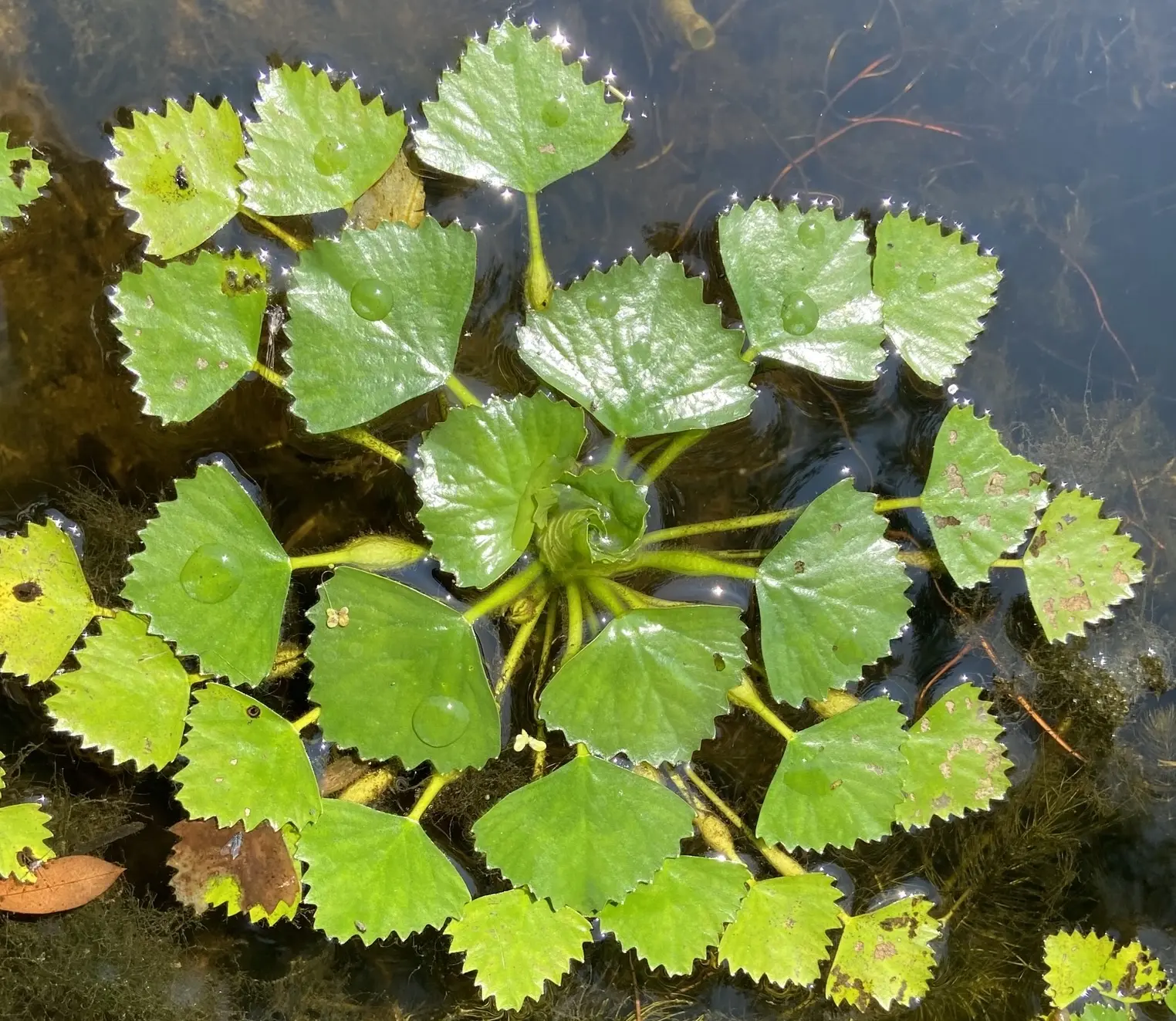
Water Chestnut
The Water Chestnut (Trapa natans) looks innocent at first—dainty rosettes floating like lily pads—but beneath the surface lurk tangled stems and razor-sharp nuts that turn open water into a prickly green minefield begging for expert removal.
Why Choose Legacy Waters for Aquatic Plant Control
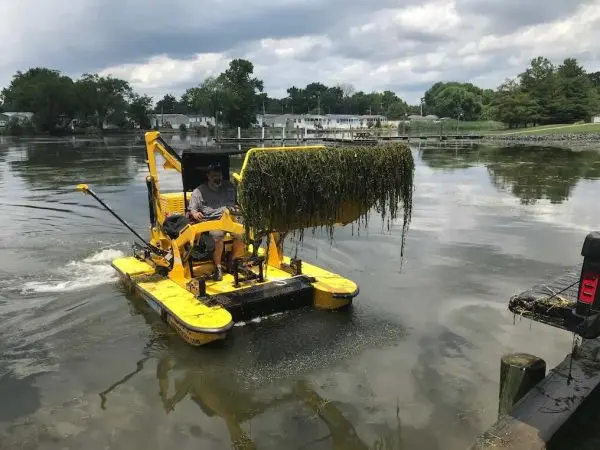
Invasive species like Eurasian watermilfoil, hydrilla, and phragmites choke waterways, disrupt ecosystems, and degrade water quality. We use mechanical harvesting, dredging, and targeted treatments to eliminate these threats at the root, minimizing environmental impact while maximizing water clarity and usability.
Our services are trusted by homeowners, HOAs, golf courses, and municipalities across Maryland who need reliable, compliant, and effective invasive species management.
Benefits of Professional Aquatic Vegetation Management
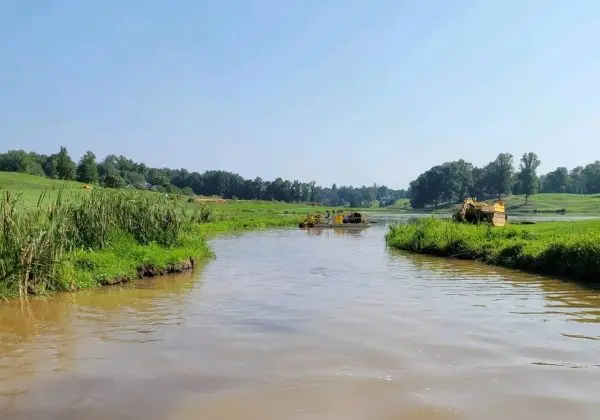
Clear waterways mean better boating, fishing, and property values. Our services reduce algae blooms, improve oxygen levels for fish, and comply with permits for safe, legal operations.
Clients enjoy restored aquatic habitats without ongoing maintenance hassles — backed by our attention to detail and proven track record. We handle the permitting, execution, and follow-up monitoring so you can enjoy healthier water with confidence.
Frequently Asked Questions
Invasive plant removal is the process of identifying and safely eliminating non-native or aggressive plant species that overtake your pond, lake, or waterway. These plants grow quickly, outcompete native vegetation, and create excessive organic buildup that harms water quality and wildlife habitat over time. Removing invasive plants helps restore ecological balance, improve fish and waterfowl habitat, and keep your water clear and usable for recreation.
We use mechanical harvesting and hydraulic techniques to cut, collect, and remove invasive aquatic vegetation along with excess sediment. Specialized harvesting equipment can cut plants several feet below the surface and convey large volumes of biomass onto shore for proper disposal off-site. This approach physically removes plant material instead of leaving it to decay in the water, which helps reduce nutrient loads and slow future weed and algae growth.
Mechanical removal avoids introducing chemicals into your waterbody and is often preferred by property owners who want a low-impact, eco-conscious solution. It physically takes invasive plants out of the system, which can immediately open up clogged areas for boating, swimming, and habitat. Herbicides can be effective in some situations, but they require careful licensing and application and may leave dead plant material behind that contributes to sediment buildup and future problems.
Results depend on the species present, nutrient levels, and watershed conditions, but a well-executed removal can improve clarity and access for multiple seasons. Because invasive plants often spread aggressively from seeds and fragments, some regrowth is normal and ongoing management is usually recommended. We can provide follow-up assessments and maintenance harvesting plans to keep growth under control and protect your long-term investment.
After harvesting, invasive plant biomass is loaded and transported off-site so it cannot re-establish in your pond, lake, or nearby waterways. Best practices call for avoiding composting or stockpiling invasive plants where seeds or root fragments could spread, so material is handled and disposed of according to local guidelines. Proper disposal is a key step in breaking the invasion cycle and protecting both your property and downstream ecosystems.
You likely need professional help if invasive plants are dense, widespread, or making it hard to use your pond, lake, or stormwater facility for its intended purpose. Large or recurring infestations usually require specialized equipment, permitting expertise, and a long-term management plan that goes beyond hand-pulling or spot mowing. Our team can assess your site, identify problem species, and recommend a tailored removal and maintenance strategy that fits your goals and regulatory requirements.
Ready to Restore Your Waterway?
Contact Legacy Waters today for a free consultation.
Call (443) 927-4337